Silent Hill Townfall Gameplay Review: Atmosphere, Combat, Puzzles, and Survival Tips
Our Silent Hill Townfall gameplay review examines its story, stealth, puzzles, combat, atmosphere, length, and practical survival tips.
Silent Hill Townfall Gameplay: First Impressions
Silent Hill Townfall gameplay understands that horror is often more effective when the game makes you wait for danger. Instead of rushing into constant combat, Silent Hill Townfall gameplay begins with fog, abandoned buildings, unsettling messages, and just enough unexplained movement to make every hallway feel unsafe.
The game follows Simon Ordell as he returns to the island town of St. Amelia to “put things right.” That simple objective quickly becomes a psychological descent involving Zoe, disturbing medical records, a strange television-like signal system, and threats that cannot always be defeated head-on.
The result is a survival-horror experience built around tension, exploration, evasion, environmental storytelling, and deliberately demanding puzzles. According to IGN’s Silent Hill: Townfall gameplay and review information, the game is available on PC and PlayStation 5, carries an 8 rating from IGN, and takes approximately 13 hours to complete on the main path.
Spoiler note: This review discusses the opening areas, core mechanics, puzzles, and early story setup without revealing the full ending.
How the Gameplay Loop Works
Townfall combines traditional Silent Hill exploration with a more focused structure. You move through a compact island town, investigate marked locations, gather key items, decode clues, and return to previously inaccessible areas.
The world initially appears almost normal. There are shops, a clinic, a pharmacy, a hotel, a police station, and a town square. The fog and empty streets establish the mood, but the game takes time before showing exactly what has happened.
That gradual escalation is one of the strongest aspects of the opening. The first area encourages you to inspect signs, maps, locked doors, public notices, and small environmental details. Many objects seem ordinary until a later clue changes their meaning.
| Gameplay element | How it works | Why it matters |
|---|---|---|
| Exploration | Search streets, buildings, rooms, and side paths | Reveals items, codes, story clues, and shortcuts |
| Map system | Marks important locations and objectives | Helps track the island’s interconnected areas |
| Signal device | Detects threats and reveals unusual transmissions | Supports both navigation and narrative discovery |
| Inventory | Stores medical supplies, batteries, keys, and puzzle items | Encourages careful resource management |
| Combat | Uses limited melee weapons and defensive actions | Makes confrontation risky rather than routine |
| Saving | Uses designated save points, including telephones | Lets players prepare before dangerous sections |
The game also uses a first-person perspective, which changes the feel of familiar Silent Hill elements. You cannot rely on a distant third-person view to monitor corners or watch enemies approach. Darkness, narrow sightlines, and limited visibility make even a familiar route feel dangerous after the environment changes.
Atmosphere and Sound Design
The most convincing part of the early Silent Hill Townfall gameplay is its atmosphere. The game uses quiet stretches, distant noises, flickering lights, and distorted audio instead of filling every room with obvious threats.
The town feels abandoned without feeling empty. Notes mention evacuations, road closures, missing people, clinic problems, and local businesses that have stopped operating. These details suggest a wider crisis without explaining everything immediately.
Sound design does much of the work. A ringing phone, a voice repeating through a transmission, or movement behind a door can be more effective than a sudden jump scare. The soundtrack also recalls the series’ history while supporting the new setting.
| Atmosphere feature | Player effect |
|---|---|
| Fog-covered streets | Limits visibility and makes navigation uncertain |
| Empty public spaces | Suggests that the town was abandoned in a hurry |
| Repeating voice messages | Creates psychological pressure and story questions |
| Distorted broadcasts | Connects the supernatural elements to investigation |
| Dark interiors | Makes batteries and light sources valuable |
| Environmental sounds | Signals potential danger before it is visible |
This is where the game’s slow opening succeeds. A player experience from the opening gameplay footage described the early hours as a slow burn, with tension building through uncertainty rather than constant attacks. That is a community observation, not a universal measurement, but it accurately reflects the game’s pacing.
Players looking for nonstop action may find the opening restrained. Those who enjoy investigating rooms, reading documents, and interpreting visual clues will likely appreciate the patience.
Puzzles and Environmental Storytelling
Puzzles are central to Silent Hill Townfall gameplay. They are not simply interruptions between combat encounters. Instead, they often connect directly to the setting, a character’s history, or the game’s recurring themes of memory, guilt, illness, and justice.
One early example involves a lock that requires players to interpret several visual clues. The solution is not presented as a conventional code. Instead, the player must examine nearby signage, symbols, and references to medication before arranging the correct sequence.
That design rewards observation more than random experimentation. However, the game can be opaque when a clue is easy to overlook or when the player has not yet understood how the signal device works.
| Puzzle-solving step | Recommended action |
|---|---|
| 1. Read every document | Notes often contain dates, names, codes, or thematic hints |
| 2. Photograph or memorize symbols | Signs and images may become relevant later |
| 3. Check the map | Newly marked locations often indicate the next objective |
| 4. Revisit unusual objects | A previously inactive device may work after a story event |
| 5. Compare clues by theme | Medical, calendar, telephone, and protest imagery can connect |
| 6. Save before testing combinations | Prevents unnecessary backtracking after a mistake |
A practical example is the hotel-room puzzle. The player must connect a date, a calendar, and environmental details before opening a lock. The solution feels more satisfying because it is grounded in the room rather than hidden in a random item description.
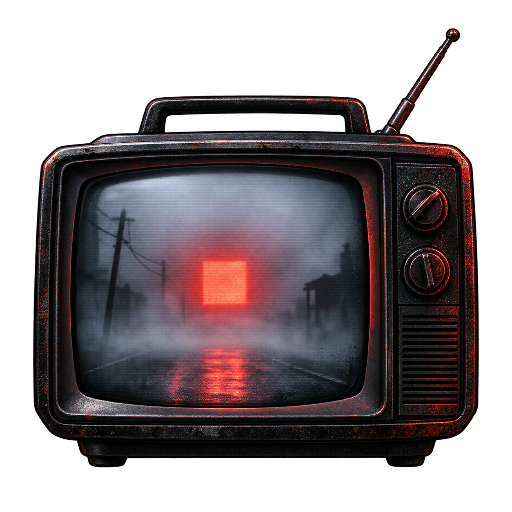
Some puzzles are also designed around the game’s interface. The television or signal device can display information that changes depending on the location and timing. Checking it regularly is important because it may reveal story material, threats, or hints that are not visible in the physical environment.
Combat, Stealth, and Resource Management
Combat in Townfall is intentionally uncomfortable. Weapons are limited, enemies are dangerous, and fighting is not always the best answer. The game gives Simon basic melee options, including attacks and blocking, but the system does not turn him into an action hero.
The better strategy is often to understand an enemy’s movement pattern and move around it. Some creatures patrol predictable routes, allowing you to wait, hide, or sprint through an opening. The signal device helps identify threats, making it an important survival tool rather than a decorative story mechanic.
| Situation | Best general approach |
|---|---|
| One enemy blocking a doorway | Observe its patrol route before moving |
| Narrow corridor | Avoid attacking unless the route is unavoidable |
| Low health | Search nearby rooms for medical supplies before advancing |
| Limited batteries | Use light briefly and rely on environmental landmarks |
| Multiple enemies | Look for hiding places, alternate paths, or locked shortcuts |
| Required confrontation | Save first and identify the safest escape route |
The opening player experience suggests that health items, batteries, and weapons should be treated as limited resources. This is based on community gameplay footage and should be considered practical advice rather than an official item-count guide.
Saving frequently is also sensible. Save points are integrated into the world through telephones and other devices, and saving does not appear to impose a meaningful penalty. A useful routine is to save before entering a new building, after solving a major puzzle, and whenever a weapon or healing item is found.
The most important combat tip is simple: do not fight automatically. If an enemy can be bypassed safely, avoiding the encounter usually preserves health and supplies for a later section where combat is unavoidable.
Story, Characters, and Themes
The central mystery begins with a request for Simon to return to St. Amelia and help set things right. The wording is deliberately vague. Who is asking him to return? What happened to Zoe? Why does the town appear frozen between an ordinary past and a supernatural present?
The game answers these questions gradually through voicemail messages, clinic documents, personal letters, old photographs, patient records, and distorted signals. Simon’s connection to the town is more important than simply being the person controlled by the player.
The medical setting is especially prominent. The Shorefront Family Clinic, patient records, transplant documents, medication references, and nurse-related clues all contribute to the game’s body-horror atmosphere. These details also provide puzzle logic and help connect personal trauma to the broader collapse of the town.
| Story element | What it contributes |
|---|---|
| Simon’s return | Establishes guilt, responsibility, and unfinished business |
| Zoe’s absence | Creates the main emotional mystery |
| St. Amelia | Functions as both a physical setting and psychological space |
| Clinic records | Reveal the consequences of the town’s crisis |
| Protest messages | Add a social and political dimension |
| Repeated transmissions | Blur the line between memory, warning, and manipulation |
The story avoids explaining every supernatural event immediately. That ambiguity is consistent with the series, but it also means players should expect to interpret symbols and dialogue rather than receive direct answers.
Silent Hill Townfall Gameplay Review: Is It Worth Playing?
Based on the available opening gameplay and published information, Townfall appears to be a strong choice for players who prefer atmospheric psychological horror over constant combat.
Its main strengths are:
- A slow-burn opening that builds tension through uncertainty
- Detailed environmental storytelling
- A first-person perspective that increases vulnerability
- Puzzles integrated into the setting
- Threat detection and evasion mechanics
- Strong sound design and unsettling audio loops
- A focused campaign estimated at roughly 13 hours for the main story
Its potential weaknesses are equally clear:
- The opening may feel slow for action-focused players
- Some objectives require careful backtracking
- Puzzle clues can be difficult to identify without thorough exploration
- Limited visibility may frustrate players who prefer direct navigation
- Combat appears intentionally restrictive rather than empowering
| Player type | Fit |
|---|---|
| Classic Silent Hill fan | Excellent |
| Puzzle-focused horror player | Very good |
| Action-horror fan | Mixed |
| Completionist | Good, especially if multiple endings are pursued |
| First-person horror newcomer | Good, but expect a slow introduction |
| Player who dislikes backtracking | Fair to limited |
IGN lists the main story at approximately 13 hours, with longer estimates for side content and full completion. The same page also references multiple endings, including an ending identified as “Justice.” Because ending requirements may depend on choices and exploration, players should avoid assuming that one playthrough reveals everything.
Overall, Silent Hill Townfall gameplay seems most effective when played slowly. Read the documents, inspect the map, check the signal device, and resist the temptation to spend resources just because an enemy appears. The game’s strongest moments come from uncertainty, and rushing through them can weaken the experience.
FAQ
What is Silent Hill Townfall gameplay like?
Silent Hill Townfall gameplay combines first-person exploration, psychological horror, environmental puzzles, stealth, limited combat, and resource management. The game emphasizes tension and investigation over constant action.
How long is Silent Hill: Townfall?
The main story is listed at approximately 13 hours. A playthrough focused on story and side content is estimated at around 15 hours, while completionist runs can take approximately 21 hours.
Does Silent Hill: Townfall have multiple endings?
Yes. Published game information references multiple endings, including a “Justice” ending. Exact requirements may involve exploration, puzzle solutions, and player decisions.
Should you fight every enemy?
No. Avoiding enemies is often the better option. Watch patrol patterns, use the signal device, conserve healing items, and only fight when the route or objective makes combat necessary.
Related Guides
Silent Hill Townfall Before You Buy: Gameplay, Story, Length, and Verdict
Our Silent Hill Townfall before you buy guide covers stealth, puzzles, combat, story, playtime, scares, and who should play this horror spin-off.
Silent Hill Townfall Metacritic Score Explained: Reviews, User Ratings, and Verdict
See the Silent Hill Townfall Metacritic score, critic consensus, user ratings, strengths, weaknesses, and whether this horror spin-off is worth playing.
Silent Hill Townfall Review: A Tense First-Person Survival Horror Experiment
Our Silent Hill Townfall review examines its story, stealth, puzzles, combat, scares, and whether this 13-hour horror spin-off is worth playing.